Busiswa on People-Pleasing, Nightlife, Grief and Breaking Toxic Cycles

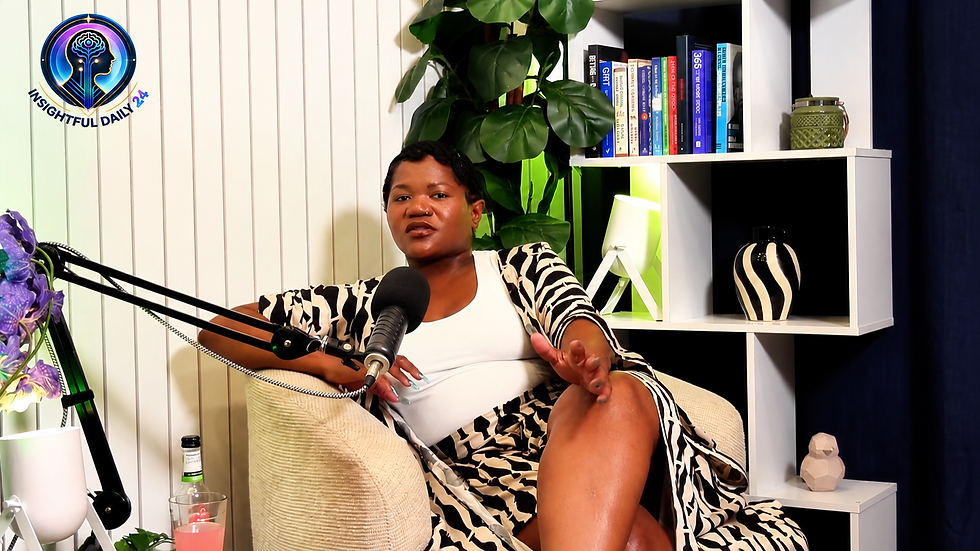
South African performer Busiswa has opened up about people-pleasing, nightlife culture, grief, motherhood and leaving an abusive relationship in a deeply personal episode of The Best Of Me podcast. The conversation is wide-ranging, but a clear theme runs through it: the importance of recognising when familiar patterns are no longer healthy. Busiswa reflects on the ways generosity, nightlife, relationships and family experiences can shape behaviour, sometimes positively and sometimes at significant personal cost.
She begins with people-pleasing. Busiswa describes herself as someone who enjoys making other people happy and creating spaces where everyone can have a good time. Over time, however, she says that instinct sometimes left her overextended and exposed to people who took advantage of her generosity. One example involved the recording studio she created at home. What was meant to be a convenient and welcoming space became difficult to manage when some visitors began treating what she provided as unlimited.
Busiswa says she eventually changed how the space operated, keeping tighter boundaries around what was available and when. The story may sound simple, but the lesson is not. Kindness does not require unlimited access. For many people, learning to set boundaries means accepting that generosity without limits can quickly turn into exhaustion or resentment. The conversation then moves into nightlife, an environment that has been central to Busiswa’s professional life. She speaks frankly about alcohol and how deeply it can become tied to ideas of fun, confidence, relaxation and social belonging.
Busiswa reflects on her own experiences, saying alcohol sometimes contributed to decisions or confrontations she would not necessarily have made while sober. She also describes the pressure that can exist around drinking, where being sober in a social space may be treated as unusual or as evidence that something is wrong.
Her reflections go beyond alcohol. Busiswa describes club culture as a space where social pressure can operate differently for women and men. For women, she says appearance, access to VIP spaces and proximity to particular people can become a form of social currency.
For men, she describes a different pressure, where spending money and displaying status can become part of the expectation. She is particularly concerned about the vulnerability of young women in such environments. Her point is not that nightlife is inherently unsafe, but that people should understand the pressures at play and protect their ability to make independent choices. One lesson from her mother stayed with her from a young age: always make sure you have enough money to get yourself home.
Busiswa presents that rule as more than practical advice. It is a principle of independence. Having the means to leave a situation without depending on someone else can be a form of safety. The episode becomes more personal when Busiswa reflects on her family. She speaks warmly about the women who raised her, particularly her mother and grandmother, and describes growing up in an environment where confidence, self-expression and independence were encouraged. She also speaks about the death of her younger brother, who she says had strong ambitions in music and performance. He died at 19 after being stabbed in East London.
Busiswa describes the grief of later entering the entertainment industry herself and reaching spaces she believes her brother would have loved. Her success is therefore tied to a sense of absence. She achieved parts of a life he had imagined, but he was no longer there to witness it. The most serious part of the conversation concerns a relationship Busiswa describes as physically and emotionally abusive. She says she eventually took steps to leave, including involving the police and moving away. These are Busiswa’s own accounts of her experience in the podcast, and they should be understood in that context.
The broader point she makes is about recognising that a harmful relationship cannot always be repaired simply through effort, patience or hope. Busiswa says she had tried interventions including joint therapy and anger-management efforts before eventually concluding that she could not make another person change. Motherhood became central to that decision. She says she did not want her son growing up in a home where abuse was present and then later treating that relationship dynamic as normal. For Busiswa, leaving was not only about protecting herself. It was also about shaping what her child would understand a relationship to be.
That is where the conversation becomes most powerful. Breaking a toxic cycle is often spoken about in abstract terms, but in reality it can involve painful and disruptive choices. It may mean leaving a relationship, changing social circles, setting firmer boundaries or accepting that something familiar is no longer acceptable. Busiswa also connects this period of her life to her album My Side of the Story, which she describes as a way of processing what she had experienced and putting difficult emotions into words. Across the episode, the same idea keeps returning. People-pleasing is about boundaries.
Nightlife is partly about autonomy. Grief is about learning to live with absence. Leaving an abusive relationship is about refusing to let harmful patterns become a blueprint for the next generation. Busiswa does not present herself as someone who always had the answers. Instead, she speaks about learning, changing and recognising what she no longer wanted to carry forward. That may be the most important takeaway from the conversation. Growth is not always a dramatic reinvention. Sometimes it is the quieter decision to stop repeating what no longer serves you. And sometimes breaking a cycle begins with deciding that what shaped your life does not have to shape your child’s.
End.
Beyond the headline, into the context.
Insightful Daily 24 combines verified reporting with explanatory analysis to help readers understand the issues shaping South Africa and the world. At the bottom of our articles, you’ll also find short videos from our growing digital knowledge library — covering practical topics such as personal finance, employment rights, mental wellbeing and long-term financial planning. From understanding tax-free savings accounts and the Basic Conditions of Employment Act to recognising burnout, managing anxiety and learning about retirement annuities, the library is designed to make important, potentially life-changing information easier to understand and use.
Insightful Daily 24 — where the headline ends, insight begins.


Comments